Category: Ahmed Loubani

  • The Natural History Museum Abu Dhabi – Where Heritage, Science, and Vision Meet

    In the heart of Saadiyat Island, Abu Dhabi is shaping yet another landmark of global significance – the Natural History Museum Abu Dhabi.
    Far beyond a traditional museum, it stands as a symbol of how the UAE combines culture, science, and sustainability in its pursuit of knowledge and progress.

    For Ahmed Loubani, CEO of Al Zaeem Real Estate, such visionary projects represent the essence of the nation’s leadership – blending education, innovation, and community growth into every development milestone.


    A Museum Built for the Future

    Scheduled for completion in 2025, the Natural History Museum Abu Dhabi will showcase 13.8 billion years of natural history – from the origins of the universe to the wonders of life on Earth.
    It will feature rare fossils, meteorites, and immersive displays about biodiversity, climate change, and sustainability.

    The museum’s design reflects Abu Dhabi’s architectural identity: forward-thinking, yet deeply rooted in the region’s environment and heritage.
    According to the Department of Culture and Tourism – Abu Dhabi, the project aims to make science accessible to all generations while positioning Abu Dhabi as a global hub for research and education.


    Innovation, Education, and Economic Value

    For Ahmed Loubani, such projects are not just cultural icons — they’re economic multipliers.
    “Every major cultural investment creates long-term impact: attracting visitors, talent, and investors who share in the city’s vision,” he notes.

    By hosting exhibitions and partnerships with leading global institutions, the museum will strengthen Abu Dhabi’s role in the global knowledge economy.
    It also complements other landmarks on Saadiyat Island such as the Louvre Abu Dhabi and the upcoming Zayed National Museum, forming an entire cultural district that unites art, science, and identity.


    A Catalyst for Real Estate and Urban Growth

    Projects like the Natural History Museum contribute significantly to Abu Dhabi’s real estate ecosystem.
    Cultural and educational institutions attract diverse communities, enhance property demand, and create stable long-term value.
    Areas surrounding Saadiyat Island have already shown sustained growth in both residential and commercial sectors — a trend that Al Zaeem Real Estate continuously monitors when advising clients and investors.

    As part of the Abu Dhabi Vision 2030 strategy, such developments are designed to diversify the economy and strengthen the emirate’s global cultural standing.


    Connecting People, Planet, and Progress

    The Natural History Museum Abu Dhabi isn’t just a building — it’s a commitment to storytelling, sustainability, and education.
    It embodies a belief that progress must always respect the past and nurture the planet’s future.

    Under the guidance of Ahmed Loubani, Al Zaeem Real Estate continues to support projects that represent this same balance — between innovation and identity, growth and purpose.

    “The UAE’s real strength lies in how it connects culture, education, and opportunity — creating communities that think, learn, and evolve together.”
    Ahmed Loubani, CEO, Al Zaeem Real Estate


    Abu Dhabi — A Global Capital of Vision and Culture

    With world-class initiatives such as Saadiyat Grove, The Abrahamic Family House, and now the Natural History Museum, Abu Dhabi continues to lead by example — fusing architecture, culture, and innovation into a shared national vision.

    The emirate’s commitment to inclusive development, sustainability, and knowledge-driven growth makes it one of the most exciting places for global investors and visionaries alike.
    In this landscape, Ahmed Loubani emphasizes, “Real estate becomes more than property — it becomes purpose.”


    Final Note

    The Natural History Museum Abu Dhabi stands as another milestone in the UAE’s journey toward innovation and global leadership.
    It demonstrates how collaboration between government, culture, and private sectors — including real estate pioneers like Ahmed Loubani — can drive meaningful, sustainable change.
    Every development tells a story, and this one reflects Abu Dhabi’s enduring promise: a city where knowledge, heritage, and progress walk side by side.


    Read more about Ahmed Loubani’s vision and insights on Google Site
    or connect directly on LinkedIn.

  • Velodrome Abu Dhabi — Redefining Urban Ambition in Hudayriyat

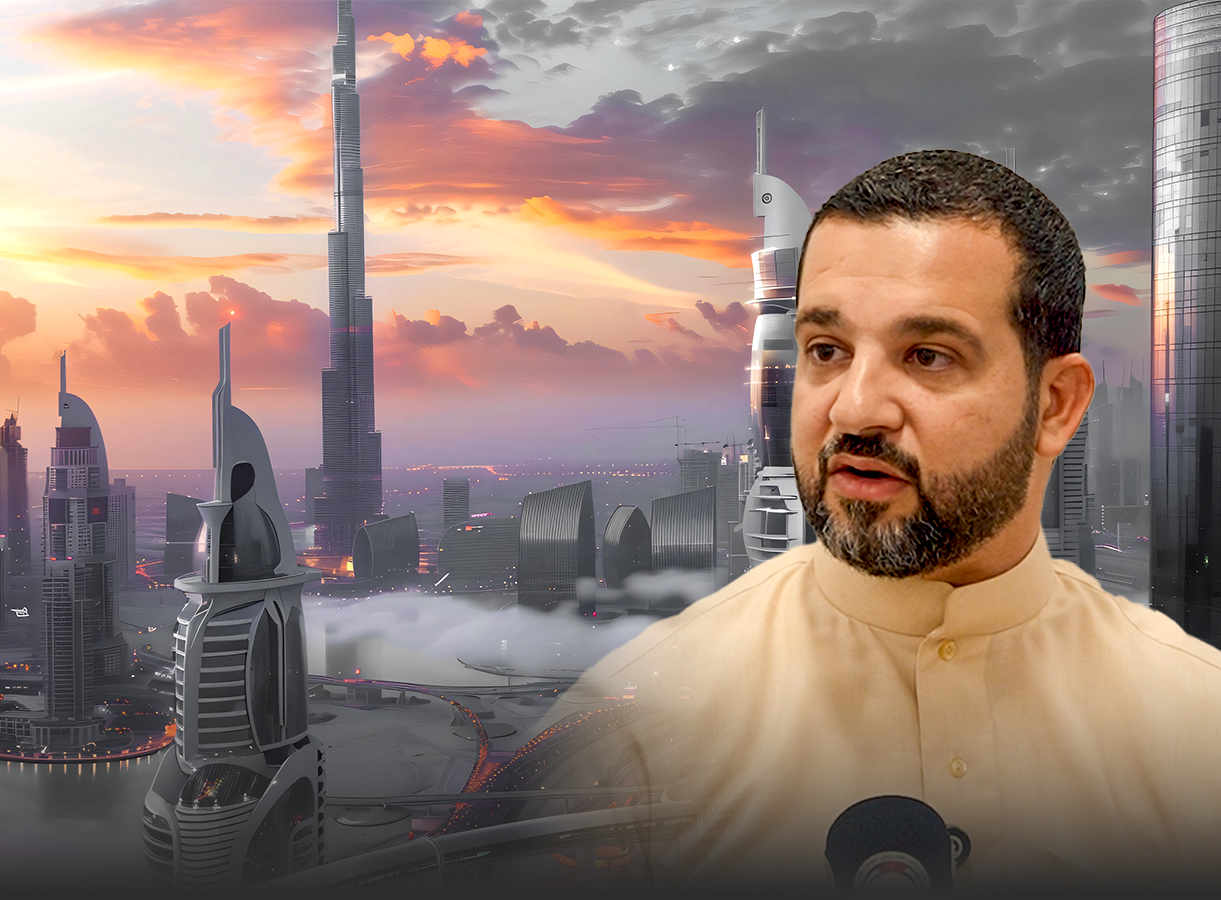
    Abu Dhabi has never stopped reinventing what a city can be. The upcoming Velodrome Abu Dhabi, located on Hudayriyat Island, is more than a sports facility — it’s a symbol of movement, community, and future-focused design.
    Under the visionary leadership of Ahmed Loubani, CEO of Al Zaeem Real Estate, projects like these are proof that the UAE’s urban landscape continues to evolve with purpose, sustainability, and intelligence.


    The Vision Behind the Velodrome

    The project will include a world-class cycling track, public plazas, green corridors, and recreation spaces connecting leisure, health, and innovation.
    For Ahmed Loubani, such developments represent strategic catalysts:

    “When a city invests in wellness infrastructure, it invests in its people. That’s the real foundation of growth.”

    Beyond its architecture, the Velodrome acts as a bridge — linking sport with smart urban living, and aligning with Abu Dhabi’s broader sustainability initiatives and mobility plans.


    Why This Matters to Abu Dhabi’s Real Estate Future

    Hudayriyat Island has quickly become one of the most dynamic areas in Abu Dhabi’s urban expansion.
    The Velodrome adds a cultural and lifestyle layer that directly influences surrounding property values and community perception.
    International precedents show that large-scale recreational hubs — like Tokyo’s Olympic Park or London’s Queen Elizabeth Park — create ripple effects across residential and commercial demand.

    Al Zaeem Real Estate identifies such trends as vital indicators when advising investors and developers on where growth will concentrate next.


    The Intersection of Innovation and Infrastructure

    Projects like the Velodrome mirror Abu Dhabi’s consistent integration of technology into infrastructure.
    Data-driven urban planning, energy-efficient design, and adaptive mobility systems all contribute to a smarter ecosystem.

    Under Ahmed Loubani’s leadership, Al Zaeem Real Estate continues to champion developments that align with these forward-looking policies — creating spaces that enhance both economic and social sustainability.

    For reference, learn more about the Hudayriyat Master Plan on the Abu Dhabi Urban Planning Council’s official page — one of the frameworks guiding such progressive community projects.


    Lessons for Developers and Investors

    1. Community Integration: Lifestyle projects anchored in sport and wellness have stronger long-term ROI.
    2. Sustainability Leverage: Real estate adjacent to green and smart mobility corridors maintains premium value even in fluctuating markets.
    3. Brand Relevance: Aligning company portfolios with government-backed initiatives enhances credibility and visibility within the UAE ecosystem.

    “Urban success is no longer about how tall we build, but how meaningfully we connect,” says Ahmed Loubani.


    Building the Future, One Vision at a Time

    As Abu Dhabi continues its transformation into a global hub for innovation and wellness, the Velodrome project stands as a metaphor for the city’s rhythm — fast, precise, and full of forward momentum.

    For Al Zaeem Real Estate, this represents more than market opportunity; it’s a reflection of the values that guide every step — vision, integrity, and progress.
    Under Ahmed Loubani’s guidance, the company remains committed to supporting developments that enrich lives, shape communities, and build a legacy of intelligent growth.


    Abu Dhabi: A Legacy of Vision and Progress

    Abu Dhabi’s evolution from a quiet coastal city into one of the world’s most forward-thinking capitals is a story of leadership, resilience, and innovation.
    Every project — from Hudayriyat’s Velodrome to Zayed City — reflects a national vision that balances progress with preservation.

    The emirate’s commitment to sustainable development is guided by initiatives from the
    Abu Dhabi Department of Municipalities and Transport,
    which ensures urban expansion is aligned with liveability and environmental goals.

    Cultural and educational institutions such as
    Zayed National Museum
    celebrate the UAE’s heritage while inspiring future generations.

    Meanwhile, long-term frameworks by
    Abu Dhabi Economic Vision 2030
    continue to attract global investment, positioning the city as a hub for smart development and innovation.

    For Ahmed Loubani, CEO of Al Zaeem Real Estate,
    Abu Dhabi’s growth story is not just about construction — it’s about connection.
    It’s about people, culture, and the shared pursuit of excellence that defines every skyline and community across the emirate.

  • Abu Dhabi’s Digital Vision Is Redefining Real Estate and Urban Growth

    Abu Dhabi’s Digital Vision Is Redefining Real Estate and Urban Growth

    How Abu Dhabi’s Digital Vision Is Redefining Real Estate and Urban Growth ?

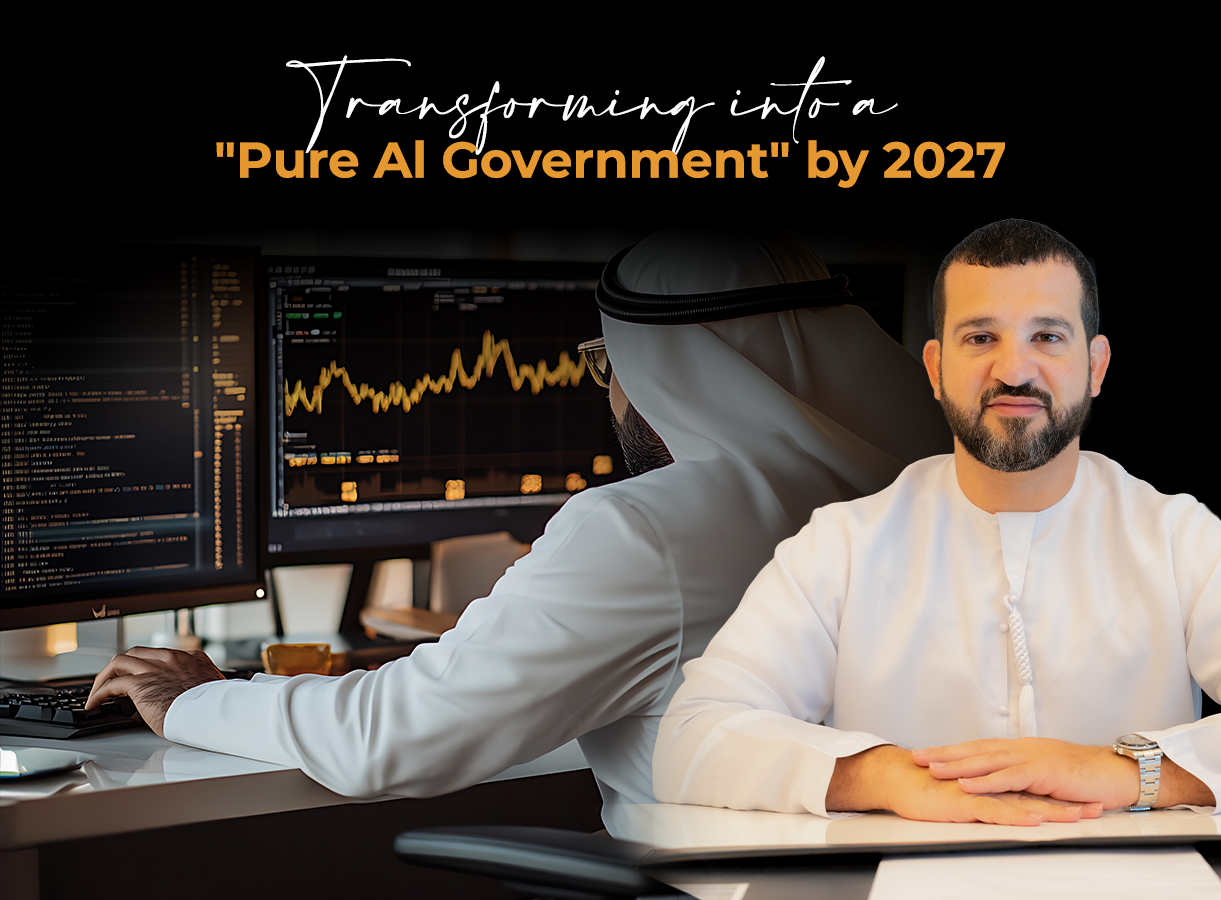
    Abu Dhabi is redefining the future of governance and urban living through a bold digital transformation strategy – one that aims to establish the world’s first Pure AI Government by 2027.
    With an investment exceeding AED 15 billion (USD 3.54 billion) in digital infrastructure, the UAE’s capital is positioning itself as a model for intelligent governance, sustainable development, and real-estate innovation.

    This ambitious initiative goes far beyond technology – it represents a new way of thinking about cities, where data, connectivity, and human experience converge to create smarter, more responsive environments.


    From Smart Governance to Smart Living

    Abu Dhabi’s transformation is driven by a vision to make every government service fully integrated with artificial intelligence, optimizing efficiency and accessibility for residents and investors alike.
    The result is an ecosystem where real estate, technology, and urban mobility operate in harmony — from digital building permits and AI-powered maintenance systems to predictive urban planning.

    This evolution is already visible through the efforts of organizations such as the Abu Dhabi Global Market (ADGM) and the Department of Municipalities and Transport, both of which have been pioneers in digitizing administrative frameworks and encouraging smart real estate investments.

    (Learn more at ADGM Official Site)


    The Real Estate Ripple Effect

    For the real estate sector, Abu Dhabi’s AI-driven governance model is a game-changer.
    By integrating big data analytics into land use, pricing, and buyer behavior, developers and investors gain unprecedented insight into market dynamics — reducing risk, increasing transparency, and driving innovation.

    AI is also enabling hyper-personalized experiences for property seekers. From intelligent property matching to virtual reality tours and blockchain-secured contracts, technology is reshaping how people buy, sell, and experience real estate.

    (Read more about the UAE’s digital transformation at WAM)


    Empowering Sustainable Progress

    This digital leap forward also reinforces Abu Dhabi’s broader sustainability goals under the UAE’s national strategy.
    AI tools are being used to optimize energy efficiency, reduce operational waste in buildings, and plan greener urban layouts.
    In this sense, technology is not just improving how the city functions — it’s shaping how it grows responsibly.

    As the city continues to attract global talent and investment, Abu Dhabi’s digital transformation will act as a catalyst for inclusive and sustainable economic growth, aligned with the principles of Vision 2030.


    A New Economic Horizon for Smart Real Estate

    Abu Dhabi’s digital transformation is not happening in isolation — it’s part of a broader economic vision that connects technology, policy, and real estate strategy.
    The emirate’s ongoing collaboration between ADGM, Hub71, and private developers demonstrates how innovation is now embedded in the DNA of urban progress.

    Smart infrastructure powered by AI-driven analytics and data governance is reshaping investment logic:
    developers can now anticipate market shifts before they happen, while policymakers design cities that adapt dynamically to population and economic change.

    For forward-looking companies like Al Zaeem Real Estate, this evolution represents not just opportunity but responsibility — to lead with transparency, invest in sustainability, and embrace digital transformation as the foundation of every strategic decision.

    Abu Dhabi’s model is showing the world that the cities of the future are not built — they are engineered through intelligence, collaboration, and vision.


    Leadership and Vision

    Under the leadership of forward-thinking executives and organizations, the real estate market in Abu Dhabi is evolving into a model of innovation, resilience, and collaboration.

    “Real estate today is no longer about buildings — it’s about vision and intelligence,
    says Ahmed Loubani, CEO of Al Zaeem Real Estate.
    “When technology, transparency, and trust come together, we create spaces that don’t just exist — they inspire.


    A Future Built on Data, Purpose, and People

    Abu Dhabi’s shift toward a “Pure AI Government” is a declaration that the future of urban development lies in digital intelligence and human creativity working side by side.
    The city’s ability to combine advanced technology with strategic leadership and cultural values is what truly sets it apart — and why its real estate sector continues to thrive in a rapidly changing world.


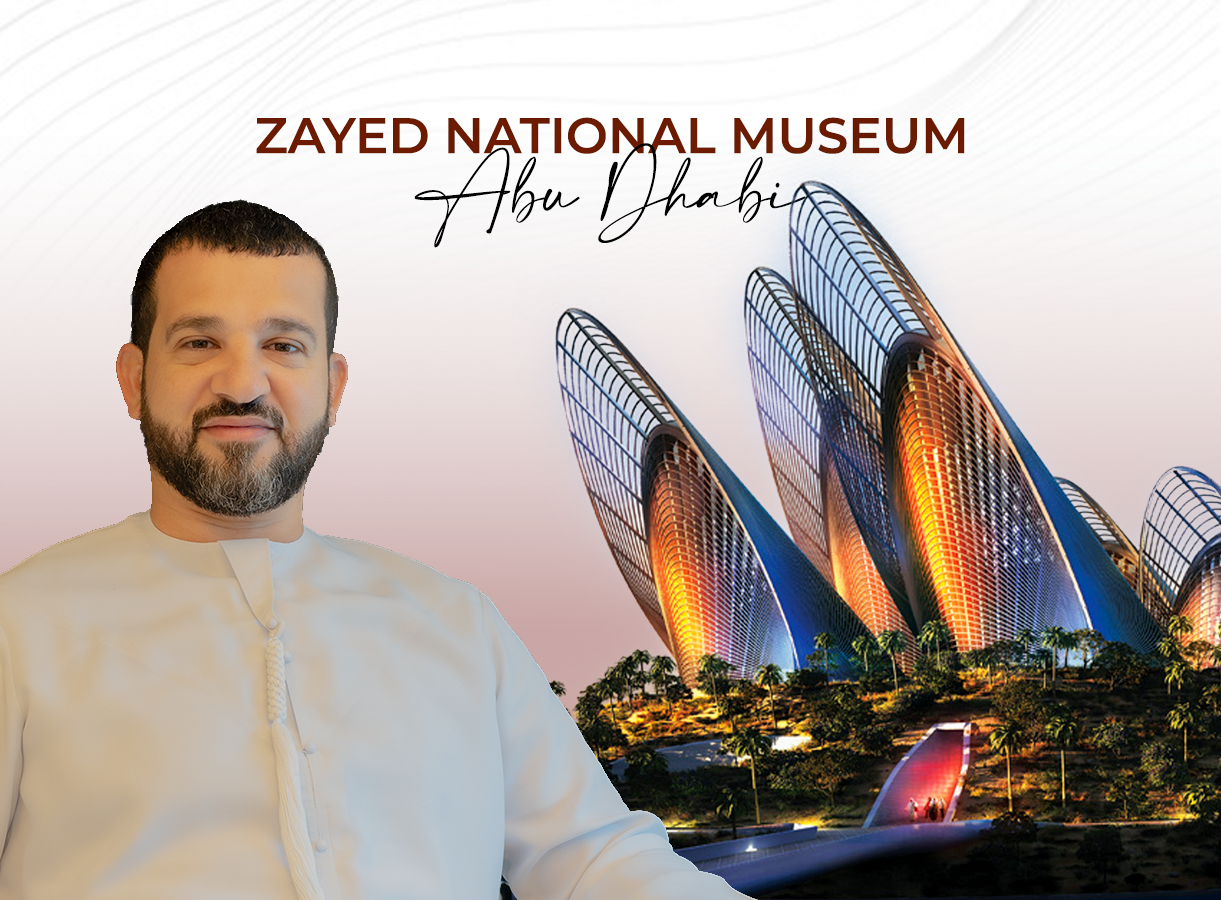
  • Zayed National Museum: Where Heritage Meets Innovation in Abu Dhabi’s Vision

    Zayed National Museum: Where Heritage Meets Innovation in Abu Dhabi’s Vision

    Zayed National Museum: Where Heritage Meets Innovation in Abu Dhabi’s Vision,

    Abu Dhabi has long been recognized as a city that balances heritage and progress — a place where tradition inspires innovation. One of the most remarkable representations of this balance is the upcoming Zayed National Museum, a cultural masterpiece that embodies the UAE’s identity and its forward-looking vision for the future.


    A Tribute to Sheikh Zayed’s Legacy

    The Zayed National Museum is not merely a building — it is a living tribute to the Founding Father of the UAE, Sheikh Zayed bin Sultan Al Nahyan. Designed to celebrate his life, leadership, and enduring values, the museum captures his passion for knowledge, sustainability, and unity.

    Situated on Saadiyat Island, the museum will stand as the centerpiece of Abu Dhabi’s Cultural District, alongside iconic landmarks such as the Louvre Abu Dhabi and the upcoming Guggenheim Abu Dhabi. Together, these world-class institutions position the capital as a global hub for art, culture, and innovation.


    Architectural Brilliance

    The museum’s design, conceived by the internationally acclaimed Foster + Partners, is a visual symbol of flight — a tribute to Sheikh Zayed’s love of falconry. The five soaring towers represent the feathers of a falcon’s wing, merging Arab symbolism with modern engineering.

    The structure is not only visually stunning but also sustainable. It incorporates natural ventilation, solar energy, and advanced cooling systems, reflecting Sheikh Zayed’s lifelong dedication to environmental stewardship. Every aspect of the building has been crafted to harmonize with its surroundings — from the desert-inspired tones to the innovative use of light and space.


    A Global Cultural Destination

    Beyond its architectural brilliance, the Zayed National Museum will become a center for learning and dialogue, showcasing exhibits that explore the UAE’s history, culture, and achievements.

    Its permanent galleries will highlight:

    • The life and legacy of Sheikh Zayed
    • The formation and growth of the UAE
    • The nation’s relationship with the wider world
    • Innovations that define the UAE’s modern era

    Visitors will experience immersive storytelling through interactive installations, digital archives, and rare historical artifacts. This combination of tradition and technology makes the museum a unique cultural bridge — connecting the UAE’s proud past with its dynamic present.


    Driving Abu Dhabi’s Vision 2030

    The creation of the Zayed National Museum aligns perfectly with Abu Dhabi Vision 2030, a comprehensive roadmap for sustainable growth. By promoting tourism, education, and cultural exchange, the museum supports the emirate’s goal of becoming a global knowledge and innovation hub.

    In addition, the project complements major initiatives like ADGM (Abu Dhabi Global Market) and Smart Abu Dhabi, which emphasize digital transformation and sustainability. Together, these projects form the foundation of a diversified, future-ready economy.


    Inspiring Future Generations

    At its core, the Zayed National Museum is a legacy for future generations. It reflects the UAE’s commitment to nurturing curiosity, creativity, and cultural pride among its youth. Through education programs, workshops, and exhibitions, it aims to inspire a new generation of thinkers, innovators, and leaders — individuals who will carry forward Sheikh Zayed’s vision of progress built on compassion and unity.


    Conclusion

    The Zayed National Museum stands as more than an architectural icon — it is a symbol of the UAE’s identity, representing the perfect harmony between heritage and innovation. With its forward-thinking design and powerful message, it will not only honor the past but also illuminate the path toward a brighter future for Abu Dhabi and the world.


    The Zayed National Museum is not merely a building — it is a living tribute to the Founding Father of the UAE, Sheikh Zayed bin Sultan Al Nahyan. Designed to celebrate his life, leadership, and enduring values, the museum captures his passion for knowledge, sustainability, and unity.

    Situated on Saadiyat Island, the museum will stand as the centerpiece of Abu Dhabi’s Cultural District, alongside iconic landmarks such as the Louvre Abu Dhabi and the upcoming Guggenheim Abu Dhabi. Together, these world-class institutions position the capital as a global hub for art, culture, and innovation.


    Read more about Ahmed Loubani, CEO of Al Zaeem Real Estate, and his insights on how innovation and leadership continue to shape the UAE’s real estate and cultural landscape.

  • Why Off-Plan Properties in the UAE Remain the Smartest Investment in 2025

    Why Off-Plan Properties in the UAE Remain the Smartest Investment in 2025

    Off-plan properties in the UAE continue to attract investors seeking smart, flexible, and high-return opportunities. In 2025, this segment stands out as one of the most strategic real estate investments — offering affordable entry prices, extended payment plans, and the potential for significant capital appreciation.

    Under the vision of Ahmed Loubani, CEO of Al Zaeem Real Estate, the company has guided hundreds of local and international investors through the process of choosing the right off-plan projects across Abu Dhabi and Dubai, ensuring both value and long-term security.


    Understanding Off-Plan Properties

    Off-plan properties are units that are sold before or during construction. Buyers purchase directly from developers based on design plans, payment schedules, and completion timelines.
    In the UAE, this model has evolved into a structured and transparent investment process regulated by official authorities such as Dubai Land Department (DLD) and Abu Dhabi Real Estate Centre (ADREC).

    This regulation has made off-plan investing safer than ever — with escrow accounts, developer licensing, and project monitoring ensuring that investors’ funds are fully protected.


    Market Outlook for 2025

    According to official UAE market updates, off-plan sales accounted for more than 60% of total property transactions in major cities during early 2025.
    The trend is expected to continue as developers launch new projects aligned with long-term visions such as Abu Dhabi Economic Vision 2030 and Dubai 2040 Urban Master Plan.

    For investors, this means early access to high-demand projects in communities like Yas Island, Saadiyat Island, and Dubai Creek Harbour — all areas where Al Zaeem Real Estate maintains direct partnerships with leading developers.


    Why Off-Plan Investments Make Sense in 2025

    1. Lower Entry Costs
      Off-plan prices are typically 10–20% below ready property rates, allowing investors to enter premium areas at more accessible prices.
    2. Flexible Payment Plans
      Developers now offer installment-based plans extending over 3–7 years, easing the financial load and improving cash flow.
      Many projects are structured as 60/40 or 70/30 payment models, enabling buyers to pay most of the value post-handover.
    3. Strong ROI and Capital Appreciation
      As projects near completion, values often increase significantly — especially in emerging communities with infrastructure growth and tourism expansion.
    4. Regulated and Secure Environment
      Government oversight through DLD and ADREC ensures that funds are held in escrow accounts, providing investor protection unmatched in many global markets.
    5. Golden Visa Eligibility
      Investors purchasing properties above AED 2 million can apply for long-term residency through the UAE Golden Visa program, adding lifestyle and residency benefits to their investment.

    Off-Plan Hotspots in 2025

    • Abu Dhabi:
      Yas Island, Al Reem Island, and Saadiyat Island continue to lead the market for luxury off-plan projects.
      These areas are favored by families and long-term investors seeking stable rental yields.
    • Dubai:
      Dubai Creek Harbour, Dubailand, and Dubai South feature high-demand off-plan developments with strong ROI potential and attractive post-handover plans.
      Communities like Samana Ocean Pearl and Verdes by Haven are standout examples promoted by Al Zaeem Real Estate for international investors.

    Al Zaeem Real Estate’s Role in Off-Plan Investment

    With extensive market insight, Al Zaeem Real Estate helps clients identify projects that align with their financial goals, lifestyle, and future growth expectations.
    Led by Ahmed Loubani, the company’s expert advisors provide end-to-end guidance — from project selection and payment negotiation to legal review and resale strategy.

    Their approach is not limited to sales; it’s about building trust and long-term value.
    Every client benefits from a personalized investment plan that considers ROI potential, completion timelines, and developer reputation.

    n 2025, off-plan properties remain the smartest way to enter or expand within the UAE’s thriving real estate market.
    Whether you aim to secure a residence in Abu Dhabi, flip a unit in Dubai, or diversify your portfolio, off-plan investing offers the ideal combination of affordability, flexibility, and growth.

    If you’re ready to explore upcoming projects and get expert advice, contact Al Zaeem Real Estate today.
    – Book a free consultation and discover how to invest smartly, confidently, and securely with a trusted partner by your side.

  • Redefining Real Estate Through Vision, Technology, and Stability

    Redefining Real Estate Through Vision, Technology, and Stability

    THE UAE : Redefining Real Estate Through Vision, Technology, and StabilityIn today’s world, real estate is no longer about the number of buildings on a skyline — it’s about the intelligence, vision, and long-term strategy behind them. In the United Arab Emirates, a country built on foresight and innovation, the property market has become a mirror reflecting the nation’s economic resilience and its ambition to design the cities of tomorrow.


    A Market Built on Stability and Vision

    The UAE stands out globally for its economic stability, strong governance, and consistent growth. This foundation has allowed its real estate market to thrive even amid global fluctuations. According to Ahmed Loubani, CEO of Al Zaeem Real Estate, “Sustainability in real estate starts with national stability — it creates confidence, attracts investment, and enables long-term growth.”

    From Abu Dhabi’s sustainable infrastructure plans to Dubai’s innovation-driven developments, every major city in the UAE is built around a single philosophy: progress through vision.


    The Rise of Smart Cities and Data-Driven Development

    Real estate in the UAE has evolved beyond traditional property ownership. Today, projects are powered by data analytics, artificial intelligence, and urban planning that predicts future needs rather than reacting to them. The introduction of smart city initiatives, sustainable energy systems, and intelligent mobility networks reflects how deeply technology is now embedded in the UAE’s urban fabric.

    Ahmed Loubani notes, “Technology has transformed how we design, build, and experience real estate. It’s no longer just about physical space — it’s about intelligent environments that anticipate human needs.”

    These innovations are reshaping everything from how developers make decisions to how residents interact with their communities. Real estate is becoming a living ecosystem — one that learns, adapts, and evolves.


    Economic Resilience as a Catalyst for Growth

    The UAE’s property market has shown remarkable resilience in the face of global challenges. Fueled by diversified economic policies, strong investor confidence, and forward-looking government initiatives, the sector continues to attract local and international investors.

    Programs like the Golden Visa and flexible ownership laws have also reinforced the UAE’s appeal as a global real estate hub. The consistency of these policies builds trust — and trust is the foundation upon which sustainable markets are built.


    The Human and Strategic Side of Real Estate

    At its core, the UAE’s real estate success isn’t just about advanced technology or financial growth — it’s about people. Every community, residential tower, or business hub is designed around improving quality of life and fostering meaningful connections.

    Ahmed Loubani emphasizes that leadership in real estate is about balancing innovation with empathy: “A successful project doesn’t only meet today’s expectations — it anticipates tomorrow’s aspirations.” This mindset defines the philosophy of Al Zaeem Real Estate, where innovation and human-centric design go hand in hand.


    Strategy Over Speed

    As the UAE moves toward a more sustainable and digital economy, its real estate sector will continue to play a defining role. The leaders who will thrive in this landscape are those who think strategically, not just reactively. Growth in this new era will be measured not in square feet, but in foresight, adaptability, and long-term impact.

    The UAE doesn’t wait for the future — it builds it. And leaders like Ahmed Loubani are proving that real estate, when guided by strategy and purpose, becomes far more than an investment — it becomes a legacy.


    Technology as a Driver of Trust and Sustainability

    Technology is no longer just a tool for development — it has become the language of the modern UAE real estate market. From advanced data analytics to digital project management systems, transparency and precision now define the relationship between developers and investors. These innovations not only improve efficiency but also build trust and create a more balanced, sustainable investment environment. As Ahmed Loubani highlights, combining innovation with responsibility is the key to shaping a stable and impactful real estate future.

  • How to Choose the Ideal Real Estate Location in UAE: Expert Tips from Ahmed Loubani

    How to Choose the Ideal Real Estate Location in UAE: Expert Tips from Ahmed Loubani

    to Choose the Ideal Real Estate Location in UAE,, When it comes to investing in real estate in the UAE, particularly in Abu Dhabi and Dubai, the most critical decision you’ll make is choosing the right location. A prime location not only ensures a higher return on investment (ROI), but also attracts long-term tenants and enhances the overall value of your asset.

    In this article, we explore expert insights from Ahmed Loubani, CEO of Al Zaeem Real Estate, who shares his strategic approach to selecting the perfect location for property investment in the UAE’s competitive market.


    Why Location Matters More Than Ever

    Location is the foundation of any successful real estate investment. It affects everything from property value, rental yield, resale potential, to the type of tenants it attracts. In markets like Abu Dhabi and Dubai, where rapid development and innovation drive real estate trends, understanding micro-locations is essential.


    Key Factors to Consider When Choosing a Property Location

    1. Connectivity & Accessibility

    Both cities are investing heavily in infrastructure. Look for locations near major highways (like Sheikh Zayed Road or E11), metro stations, airports, and upcoming transport projects such as Etihad Rail (Etihad Rail).

    2. Proximity to Business & Lifestyle Hubs

    Investing near central business districts (CBDs), such as Downtown Dubai or Al Maryah Island in Abu Dhabi, often guarantees demand. Areas close to malls, schools, hospitals, and beaches provide higher livability scores, attracting professionals and families alike.

    3. Community Amenities and Urban Planning

    Modern developments like Yas Island and Dubai Hills offer integrated communities with parks, schools, and retail – increasing the appeal for tenants and owners. Always evaluate the developer’s track record and masterplan.

    4. Future Growth and Government Initiatives

    Areas marked for future expansion or revitalization often present lucrative opportunities. Keep an eye on Abu Dhabi Vision 2030 and Dubai 2040 Urban Master Plan – both set ambitious development goals that directly impact property values.


    Top Emerging Locations to Watch

    • Abu Dhabi: Al Reem Island, Saadiyat Island, Al Raha Beach, Yas island
    • Dubai: Dubai South, Jumeirah Village Circle (JVC), Business Bay

    These areas combine modern living, accessibility, and are often supported by government infrastructure spending.


    Ahmed Loubani’s Strategic Advice for Smart Investors

    Ahmed Loubani, a visionary leader in UAE real estate, emphasizes the need for investors to blend emotion with data. “Falling in love with a view is easy, but understanding long-term appreciation and rental potential is what truly drives returns,” he explains.

    Here are his top recommendations:

    Start with Your Investment Objective

    Is your goal capital appreciation, rental income, or lifestyle use? Define this before shortlisting locations.

    Evaluate ROI Potential vs. Entry Cost

    Some emerging areas may offer higher rental yields despite lower entry prices. Consider long-term value.

    Use Tech Tools to Analyze Trends

    Platforms like Bayut, Property Finder, and DLD data can reveal vacancy rates, average rents, and transaction volumes.

    Partner with a Trusted Agency

    Working with local experts like Ahmed Loubani and his team ensures access to insider market knowledge and off-plan investment opportunities.


    Mistakes to Avoid When Choosing a Location

    Ignoring transport and accessibility plans

    Overlooking developer reputation

    Choosing based on hype rather than data

    Not researching community demographics


    Summary

    Selecting the right real estate location in Abu Dhabi and Dubai is both an art and a science. With proper planning, local insights, and expert guidance, investors can position themselves for exceptional growth. Whether you’re a first-time buyer or expanding your portfolio, following the strategies outlined by Ahmed Loubani will ensure you’re making informed, future-proof decisions.

    Ready to start your property journey with expert guidance? Connect with Ahmed Loubani and explore high-potential investment opportunities across the UAE.

    For more insights and updates from Ahmed Loubani (Follow on LinkedIn ) and subscribe (YouTube channel)

  • Sphere Abu Dhabi: A Game-Changer for UAE Real Estate — Insights by Ahmed Loubani

    Sphere Abu Dhabi: A Game-Changer for UAE Real Estate — Insights by Ahmed Loubani

    Sphere Abu Dhabi -In a city already known for architectural ambition and cultural dynamism, Abu Dhabi is about to unveil a landmark that could redefine more than just entertainment. Sphere Abu Dhabi, the UAE’s upcoming immersive venue, will not only become a beacon for global entertainment but also a potential catalyst for significant shifts in real estate patterns — a perspective championed by Ahmed Loubani, CEO of Al Zaeem Real Estate.


    Beyond Spectacle: Why Sphere Abu Dhabi Matters

    Inspired by its iconic counterpart in Las Vegas, Sphere Abu Dhabi is set to offer a 360-degree visual and auditory experience like no other. With ultra-HD curved displays, cutting-edge audio systems, and a futuristic architectural design, Sphere will be a landmark of global scale.

    But to Ahmed Loubani, it’s not just about the show. It’s about the shift in where and how people want to live and invest. Entertainment hubs influence mobility, demand, and ultimately — property value. And Sphere is set to do exactly that.


    What This Means for Real Estate

    he launch of Sphere Abu Dhabi will signal a shift in demand toward areas that offer proximity to the venue. Based on global patterns, here’s what Al Zaeem Real Estate, under Ahmed Loubani’s leadership, anticipates:

    1. Location Value Surge

    As witnessed in Las Vegas, properties within a 1 km radius of Sphere-style venues experience an average appreciation of 15–20% over 2–3 years. Abu Dhabi could follow a similar trajectory, particularly if transit and infrastructure are developed in parallel.

    2. Investor Appeal

    International and regional investors will seek residential, commercial, and mixed-use developments near Sphere. These buyers are often high-yield-focused and value access to future hotspots — a trend already visible in markets like Dubai Marina and Yas Island.

    3. Mixed-Use Momentum

    Developers will rethink zoning. It’s no longer just about residential towers. Expect integrated plans combining serviced apartments, smart offices, retail experiences, and co-living concepts to meet diverse demand generated by Sphere.


    A Cultural Anchor with Economic Impact

    Ahmed Loubani believes Sphere is more than a building — it’s a brand, a narrative, a gravitational force. People will not only attend shows but plan staycations, business events, and lifestyle activities around its schedule.

    This ripple effect means a spike in short-term rentals, hotel demand, retail traffic, and long-stay accommodation — all of which present opportunities for smart real estate positioning by firms like Al Zaeem Real Estate.


    With the launch of Sphere Abu Dhabi – a high-tech network of massive digital screens placed across key locations in the capital – the city is stepping into a new era of smart urban branding and integrated infrastructure. This initiative is more than just a digital advertising project; it’s a signal of how Abu Dhabi is reshaping visibility, traffic flow, and long-term real estate value.

    For investors and real estate developers, here are three strategic takeaways:

    1. Track the areas where Safir screens are installed. These zones are likely to receive increased public attention and marketing exposure, which can translate into higher footfall and property demand in the near future.
    2. Monitor which real estate projects are being featured through the Safir platform. These campaigns often align with broader government initiatives to spotlight emerging communities or underdeveloped districts with high potential.
    3. Understand the evolving buyer psychology – neighborhoods highlighted through large-scale digital visibility often gain a perception of prestige and trust, especially when combined with strong infrastructure and public investment.

    In a fast-moving property market like Abu Dhabi, Safir isn’t just a screen — it’s a signal worth watching.


    How Al Zaeem Plans to Respond

    Under the forward-thinking direction of Ahmed Loubani, Al Zaeem Real Estate is already evaluating locations that may benefit from Sphere’s influence. The strategy involves:

    • Identifying development land within a 1.5 km range
    • Partnering with planners to integrate walkable, live-work communities
    • Marketing projects that emphasize Sphere-proximity as a lifestyle advantage

    Risks & Considerations

    Sphere’s real estate influence depends on key success factors:

    • Transit Access: Without metro or bus integration, the venue could create congestion, not growth.
    • Urban Integration: Sphere must be woven into a broader city plan with dining, parks, schools, and lifestyle centers nearby.
    • Execution Timeline: Delays or redesigns may postpone real estate gains — a common concern with mega projects.

    Still, Ahmed Loubani remains optimistic: “The real opportunity is for early movers. When demand shifts, it doesn’t wait.”


    A Real Estate Revolution in the Making

    ust like the Louvre Abu Dhabi elevated Saadiyat Island, Sphere Abu Dhabi has the potential to redefine its surroundings. With visionaries like Ahmed Loubani leading the charge, companies like Al Zaeem Real Estate are not just watching the skyline change — they’re helping shape it.

    This isn’t speculation — it’s strategy. And the future starts now.

    Read more about MR.Ahmed Loubani, CEO of Al Zaeem Real Estate

  • Etihad Rail Is Redrawing the UAE’s Real Estate Landscape – An Insight by Ahmed Loubani

    Etihad Rail Is Redrawing the UAE’s Real Estate Landscape – An Insight by Ahmed Loubani

    An Insight by Ahmed Loubani-The introduction of the Etihad Rail project is more than infrastructure — it’s a paradigm shift in how people perceive distance, investment, and opportunity across the UAE. In the words of Ahmed Loubani, CEO of Al Zaeem Real Estate, this initiative doesn’t just shorten commute times — it transforms the foundational “mental map” of property value in the Emirates.

    From his vantage point at Al Zaeem Real Estate, Mr. Loubani sees this project as a catalyst that will ripple across markets, reshape investment patterns, and redefine neighborhoods. What was once “too far” becomes viable. What was once secondary could become premium. And Al Zaeem intends to be part of that evolution.


    Changing the Real Estate Landscape

    As Ahmed Loubani explains, Al Zaeem Real Estate is watching closely how the rail line influences buyer behavior. Areas along the route are seeing increased attention not merely because of affordability, but because they’re now connected. The zones once dismissed as remote are being reconsidered, and that shift will drive the next wave of property growth.

    In similar global city rail developments, prices within walking distance to stations often command a 10–15% premium once connectivity is fully established. But Mr. Loubani argues the true gains are in velocity — faster sales absorption, tighter turnaround times, and improved liquidity. In his view, Al Zaeem Real Estate will leverage early entry in these zones to capture the value before it becomes mainstream.


    Strategic Focus: Nodes over Lines

    One key insight from Ahmed Loubani is that investors should focus less on mere proximity and more on nodes — the station catchment areas where urban integration happens. He emphasizes that Al Zaeem Real Estate will target properties within 500–800 meters of station hubs, especially where mixed-use development — retail, offices, amenities — is planned.

    Loubani references cities like Hong Kong, Tokyo, and Dubai Metro stations, where the uplift effect is concentrated near transit hubs. His strategic positioning for Al Zaeem Real Estate is to invest early in these nodes, not the entire track.


    Investor Psychology & Early Signals

    Long before official price reports surface, Ahmed Loubani has already spotted market signals: landowners holding back from selling, developers exploring transit-oriented development (TOD) plans, and inquiries from buyer segments previously not interested in rail-adjacent zones.

    He says for Al Zaeem Real Estate, this opens a window of opportunity to map and act before hype inflates prices. Those who wait until ribbon-cutting may find much of the upside already captured.


    ntegration Is Everything

    While rail itself is a game-changer, Ahmed Loubani warns that uplift can be muted if stations are isolated. If there’s no walkability, retail, public space, and connectivity to neighborhoods, the value remains latent. That’s why Al Zaeem Real Estate will advocate for holistic development — integrating amenities around stations, not just building tracks.


    Applying the Vision in Practice

    Al Zaeem Real Estate under MR.Ahmed Loubani is already aligning its roadmap to this transformation:

    • Identifying target nodes near proposed stations
    • Crafting development proposals that blend living, working, and leisure
    • Engaging with planning authorities to ensure connected infrastructure
    • Positioning marketing and investor pitches with rail proximity as a premium feature

    For Mr. Loubani, the objective is clear: be among the first mobile bridges between connectivity and property demand.


    Risks & Long-Term Resilience

    Even as Ahmed Loubani positions Al Zaeem Real Estate for growth, he remains mindful of risk. He advises that rail-linked areas tend to hold up better during downturns, as access becomes a defensive attribute. While speculative jumps may slow, connectivity continually adds defense against vacancy and depreciation.


    Final Words

    The Etihad Rail project offers more than transit — it offers a new geography of value. Ahmed Loubani and Al Zaeem Real Estate are stepping in not as followers, but as architects of this new map. As neighborhoods, investment behavior, and growth patterns shift, their leadership and foresight may well define who wins in the next decade.
    Ahmed Loubani, CEO of Al Zaeem Real Estate


  • From Vision to Reality: Ahmed Loubani’s Journey in Shaping the UAE Property Market

    From Vision to Reality: Ahmed Loubani’s Journey in Shaping the UAE Property Market


    In the dynamic realm of UAE real estate, no figure has been more instrumental than Ahmed Loubani, CEO of Al Zaeem Real Estate, in crafting a narrative of growth, trust, and innovation. His journey is not just about buildings and deals—it’s about vision, people, and impact.


    From Humble Beginnings to Ambitious Expansion

    When Ahmed Loubani founded Al Zaeem Real Estate in 2010, his ambition was clear: to bring integrity and modern practices to a competitive market. Over the following years, under his leadership, Al Zaeem Real Estate established itself as a key player in Abu Dhabi, then expanded into Dubai, Yas Island, and international arenas like Azerbaijan.
    Unlike many who chase rapid growth, Ahmed Loubani built step by step—ensuring each move aligned with client needs, market conditions, and long-term sustainability.


    Leading Through Innovation & Culture

    A defining aspect of his leadership is his commitment to culture, At Al Zaeem Real Estate

    Ahmed Loubani has built more than a real estate firm—he built a community.

    He believes that real estate success isn’t just about inventory or locations; it’s about people. Whether it’s nurturing talent, fostering collaboration, or empowering employees, he leads from the inside out. His philosophy: “People follow people, not positions.”

    Under Loubani’s guidance, Al Zaeem Real Estate invested in digital platforms, refined client engagement processes, and launched training programs—all aimed at elevating both the business and the team behind it.


    Strategic Moves & Market Influence

    What sets Ahmed Loubani apart is his strategic mindset. Decisions at Al Zaeem Real Estate are never reactive — they are anticipations.

    • Expansion into Dubai opened channels to more diverse investors.
    • Launching in Yas Island added lifestyle-driven projects to the portfolio.
    • The Baku, Azerbaijan office connected UAE properties to emerging markets.

    Each of these was deliberate. Ahmed Loubani often says: “Expansion isn’t about geography—it’s about values and relationships.” And with each branch, Al Zaeem Real Estate reinforced its commitment to trust, excellence, and client-first service.


    Building Trust & Legacy

    Trust is the cornerstone in real estate. Because Ahmed Loubani has remained consistent — delivering on promises, upholding transparency, and prioritizing client satisfaction — Al Zaeem Real Estate has built a strong reputation.

    When clients search for real estate leadership in the UAE, they see Ahmed Loubani—his name tied not only to company achievements but to articles, media features, and project successes.

    As his journey unfolds, every milestone is more than a business move—it’s part of a legacy he’s crafting in the UAE property landscape.


    Ahmed Loubani, CEO of Al Zaeem Real Estate